Introduction
As industries continue to evolve, the demand for materials that offer durability, efficiency, and cost-effectiveness has never been greater. Engineering plastics have become a preferred choice for manufacturers and engineers due to their unique combination of strength, lightweight construction, corrosion resistance, and versatility.
From machine components and electrical insulation to chemical processing equipment and food-grade applications, engineering plastic sheets and rods are transforming the way industries operate. These advanced materials deliver reliable performance while reducing maintenance costs and improving operational efficiency.
What Are Engineering Plastics?
Engineering plastics are high-performance polymer materials specifically designed to withstand demanding industrial conditions. Unlike conventional plastics, they possess enhanced mechanical, thermal, electrical, and chemical properties, making them suitable for critical applications across multiple industries.
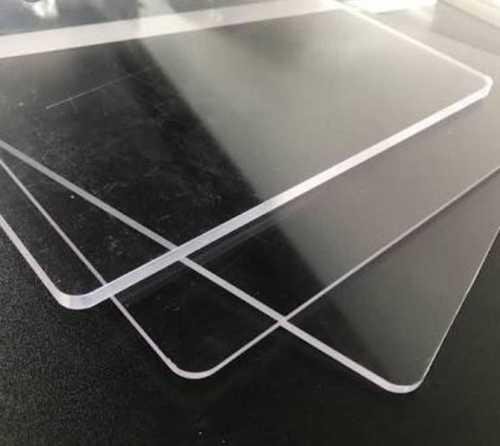
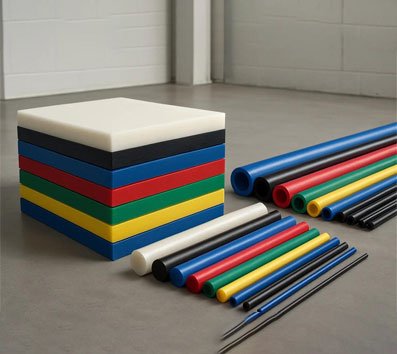
These materials are commonly supplied in the form of sheets, rods, tubes, and fabricated components for easy machining and customization.
Advantages of Engineering Plastic Sheets & Rods
Lightweight Yet Strong
Engineering plastics provide excellent strength while being significantly lighter than metals. This helps reduce equipment weight and improves handling and installation efficiency.
Corrosion & Chemical Resistance
Unlike metal components that may rust or corrode over time, engineering plastics offer exceptional resistance to chemicals, moisture, acids, and harsh environments.
Excellent Wear Resistance
Many engineering plastics are designed to withstand continuous friction and abrasion, making them ideal for moving machinery parts and heavy-duty industrial applications.
Low Maintenance
Due to their durability and resistance to environmental factors, engineering plastics require minimal maintenance and offer a longer service life.
Easy Machining & Fabrication
Engineering plastics can be easily cut, drilled, machined, and fabricated into custom shapes, reducing production time and manufacturing costs.